Rough Wall Textures
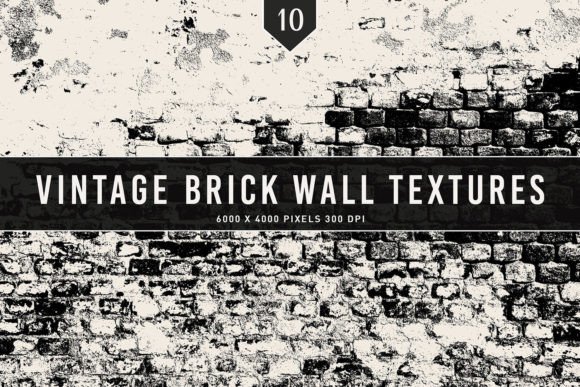
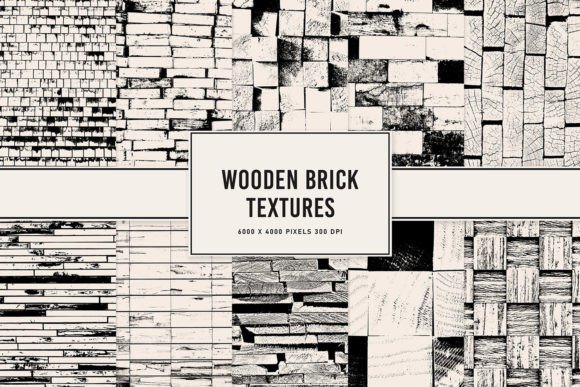
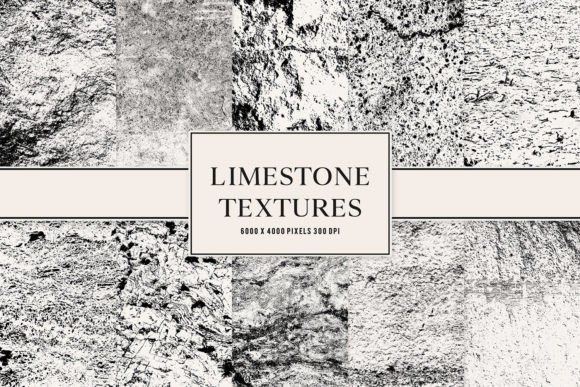
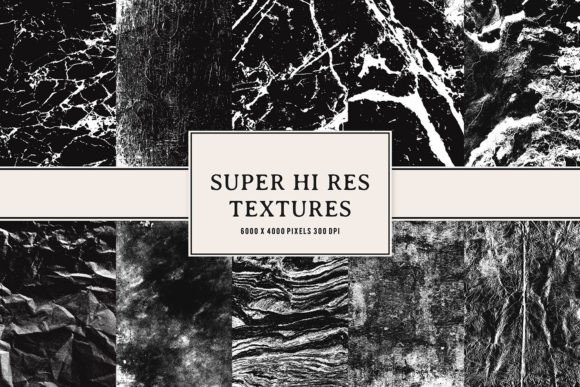
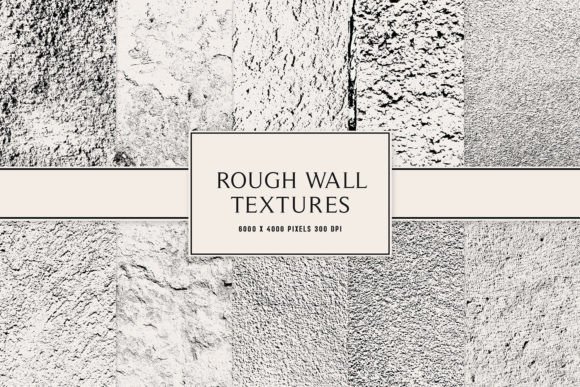
Rough Wall Textures are a collection of 10 distinct, high-resolution digital textures designed to add depth and character to your creative projects. These textures capture the natural imperfections and rugged beauty of rough walls, offering a versatile tool for artists, designers, and creators looking to enhance their visuals with an organic feel. Whether you're working on graphic design, social media content, or print materials, these textures can help bring a unique dimension to your work.
Why Use Rough Wall Textures?
The appeal of Rough Wall Textures lies in their ability to mimic real-world surfaces. They can be used as backgrounds, overlays, or elements within a design to create a sense of texture and authenticity. Their versatility makes them suitable for a wide range of applications, from digital art to marketing materials.
For instance, if you're designing a poster for a music festival, adding a Rough Wall Texture as a background can give it a raw, edgy look that complements the theme. Similarly, using these textures in a photography album can add a tactile feel to the images, making them more engaging for viewers.
Real-World Applications
Rough Wall Textures are not limited to a single industry or use case. They can be applied across various fields, including:
- Graphic Design: Use them as backgrounds for logos, banners, or promotional materials to add visual interest.
- Digital Scrapbooking: Incorporate them into layouts to give a vintage or rustic appearance.
- Web Design: Apply them as subtle overlays on websites to create a textured look without overwhelming the content.
- Social Media Content: Enhance posts with these textures to make them stand out in feeds.
- Print Materials: Use them in business cards, invitations, or packaging to add a unique touch.
These textures are especially useful when you want to evoke a specific mood or atmosphere. For example, a wedding invitation with a Rough Wall Texture might convey a rustic, earthy vibe, while a tech product landing page could use a more subdued version to maintain a modern aesthetic.
Who Benefits from Using Rough Wall Textures?
Anyone involved in creative work can benefit from incorporating Rough Wall Textures into their projects. Here's how different users might find value in them:
Artists and Illustrators: These textures can serve as a base for digital paintings or drawings, helping to add realism and depth to the artwork. They can also be used as a layer beneath the main image to give it a textured look.
Photographers: When creating photo collages or enhancing images, Rough Wall Textures can be used as overlays to add a vintage or aged effect. This is particularly effective for black-and-white photographs or retro-themed shoots.
Marketing Professionals: In branding and advertising, these textures can help differentiate a brand's visual identity. A company selling handmade products, for example, might use a Rough Wall Texture to reinforce the idea of craftsmanship and authenticity.
Students and Educators: In classroom projects or presentations, these textures can be used to make slides or posters more visually appealing. They are also great for teaching students about texture and layering in design.
Choosing the Right Texture for Your Project
With 10 different textures available, it's important to choose one that fits the overall look and feel of your project. Consider factors such as color, contrast, and the type of surface you're trying to simulate. Some textures may have more pronounced details, while others are subtler and better suited for backgrounds.
If you're working on a project that requires a high level of detail, look for textures with fine grain or cracks. For a more subdued effect, opt for smoother variations. It's also worth experimenting with different layers and blending modes to see how the textures interact with other elements in your design.
Another consideration is compatibility. Since these textures come in both JPG and PNG formats, you'll need to choose the one that best suits your needs. PNG files are ideal for transparent overlays, while JPGs are better for solid-colored backgrounds.
Common Uses and Creative Ideas
Rough Wall Textures can be used in countless ways, limited only by your imagination. Here are some creative ideas to get started:
- Create a textured background for a quote graphic to make the text stand out.
- Use them as a base for digital paintings or illustrations to add depth and realism.
- Incorporate them into a website header to give it a unique, handcrafted look.
- Add them to social media posts to increase engagement and visual appeal.
- Design custom packaging with these textures to give products a more artisanal feel.
For example, a designer working on a branding project for a boutique hotel might use a Rough Wall Texture in the logo or promotional materials to convey a sense of warmth and character. Similarly, a photographer creating a series of nature-inspired images could use these textures to enhance the photos with a natural, earthy feel.
These textures are also excellent for crafting digital scrapbooks or collages, where they can serve as a backdrop for photos and memorabilia. The key is to experiment and find the right balance between texture and content to ensure the final result looks cohesive and professional.
Limitations and Tips for Effective Use
While Rough Wall Textures offer many benefits, there are a few limitations to keep in mind. For example, overly busy textures can distract from the main content of a design. It's important to use them judiciously and ensure they complement rather than compete with the other elements.
Additionally, since these textures are high-resolution, they may require more processing power when working with them in software like Adobe Photoshop. If you're using an older computer or a less powerful device, consider optimizing the file size or using lower resolution versions for initial drafts.
To achieve the best results, always start with a clean design and gradually add textures. Experiment with opacity settings and blending modes to see how they affect the overall look. You can also combine multiple textures to create a more complex and layered effect.
Finally, don't be afraid to think outside the box. While these textures are inspired by rough walls, they can be adapted for a variety of purposes. With a little creativity, you can turn a simple texture into a powerful design element that enhances your work in unexpected ways.