Natural Textures: Enhancing Creativity with Versatile Backgrounds
When it comes to digital design, the right background can make all the difference. Natural Textures offers a unique solution for designers, creators, and professionals looking to elevate their projects with high-quality, versatile textures. These digital papers are crafted to provide a natural aesthetic that blends seamlessly into a wide range of creative applications. Whether you're working on branding materials, social media graphics, or personal crafts, Natural Textures provides an array of options that cater to both professional and hobbyist needs.
What Makes Natural Textures Stand Out?
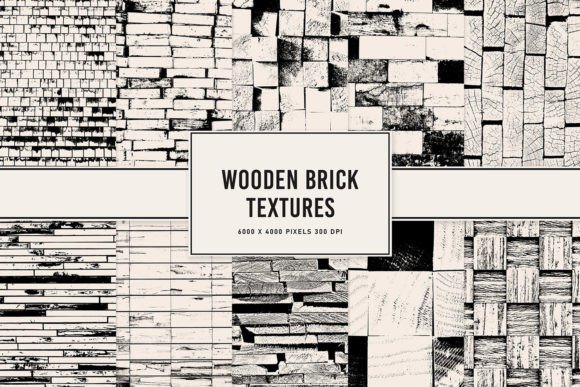
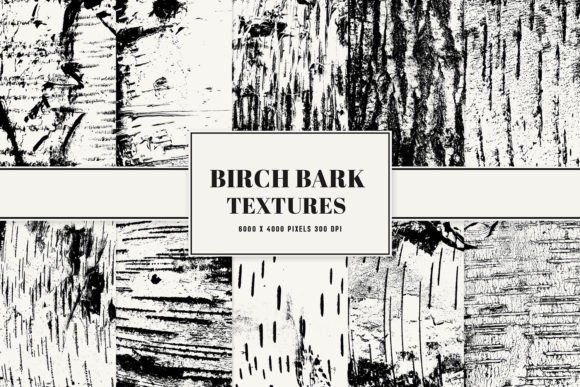
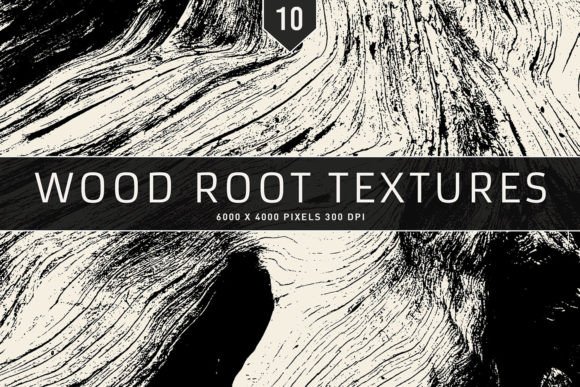
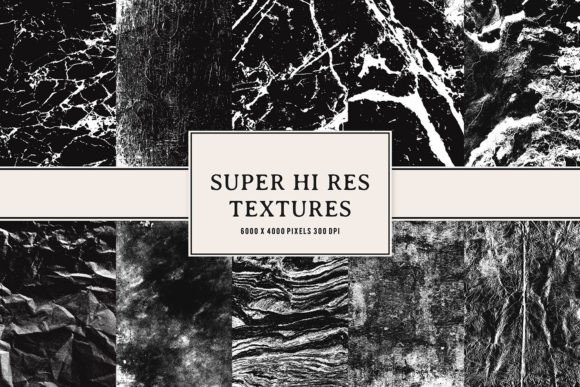
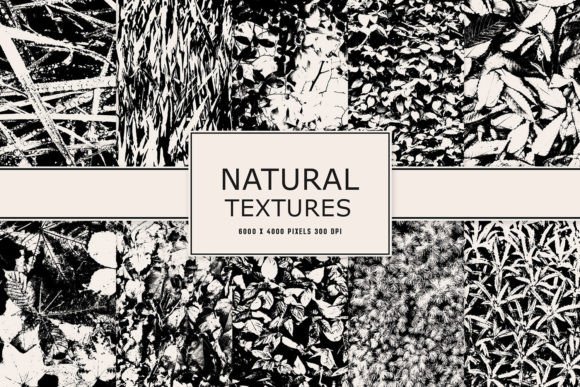
Natural Textures is more than just a collection of images—it's a curated library of high-resolution textures designed to add depth and authenticity to any project. The set includes over 6000 x 4000 pixel files at 300 DPI resolution, ensuring sharpness and clarity even when scaled up. Available in both JPG and PNG formats, these textures support RGB color profiles and are compatible with Adobe Photoshop CC and higher versions, making them accessible to most graphic design software.
What sets Natural Textures apart from other similar resources is its focus on natural elements. From wood grains to stone patterns, each texture is carefully selected to evoke a sense of organic beauty. This makes them particularly useful for projects that aim to convey warmth, authenticity, or a connection to nature.
Comparing Natural Textures with Similar Options
In the world of digital textures, there are numerous alternatives available. However, many of these resources either lack resolution, offer limited variety, or come with restrictive licensing terms. When comparing Natural Textures with other options, several key differences become apparent.
Firstly, the resolution and quality of Natural Textures are notably superior to many free or low-cost alternatives. While some online platforms provide textures at lower resolutions (often around 150–300 pixels per inch), Natural Textures ensures that users have access to high-definition files suitable for print and large-scale digital displays.
Another advantage is the versatility of the textures. Unlike some specialized collections that focus on a single theme (e.g., only floral patterns or only metallic finishes), Natural Textures offers a diverse range of textures that can be applied across multiple industries and creative fields. This flexibility makes it a go-to resource for designers who need to switch between different styles without constantly searching for new assets.
Best-Fit Situations for Using Natural Textures
The adaptability of Natural Textures means they can be used in various contexts. For instance, if you're designing a wedding invitation, a subtle wood grain texture could add a rustic charm. On the other hand, if you're creating a modern business card, a clean stone pattern might give it a sophisticated edge.
These textures are also ideal for digital scrapbooking and photography albums, where the goal is to create a cohesive look that complements the content. By layering textures over photos or text, designers can enhance visual storytelling while maintaining a natural feel.
For web designers and social media managers, Natural Textures can serve as excellent background elements for banners, posters, and promotional materials. Their compatibility with popular tools like Canva ensures that even those without advanced design skills can incorporate them effectively into their projects.
Limitations and Considerations
While Natural Textures offer many benefits, it's important to consider potential limitations. For example, the textures may not be suitable for every type of design. If a project requires a highly detailed or abstract background, Natural Textures might not provide the necessary complexity. In such cases, alternative resources that specialize in more intricate or stylized patterns may be a better fit.
Additionally, users should keep in mind that the textures are best used as overlays rather than standalone elements. Applying them directly as backgrounds without proper layering techniques could result in a cluttered or unbalanced composition. It's always advisable to experiment with opacity settings and blending modes to achieve the desired effect.
When to Choose Natural Textures Over Other Options
Natural Textures is an excellent choice for anyone looking to add a touch of realism and organic appeal to their designs. They are particularly well-suited for projects that benefit from a natural aesthetic, such as eco-friendly branding, lifestyle photography, or handmade product packaging.
However, if your project requires a more contemporary or futuristic look, you may want to explore other texture collections that feature synthetic or geometric patterns. Similarly, if you're working within tight budget constraints, free texture libraries might be a viable alternative, though they may not match the quality or variety offered by Natural Textures.
Ultimately, the decision to use Natural Textures will depend on your specific needs and the overall vision of your project. By understanding the strengths and limitations of this resource, you can make a more informed choice that aligns with your creative goals.
Practical Applications and Real-World Examples
To illustrate how Natural Textures can be used in practice, let's consider a few real-world examples. A graphic designer working on a brand identity package might use a subtle linen texture as a background for business cards, giving them a tactile, premium feel. Meanwhile, a photographer preparing a portfolio website could apply a weathered paper texture to highlight vintage-style photographs, reinforcing the nostalgic theme.
For event planners, Natural Textures can be a valuable asset when designing party invitations or promotional banners. A leafy pattern could lend a fresh, seasonal vibe to a summer event, while a stone texture might suit a rustic-themed wedding. These examples demonstrate how the same texture can be adapted to different contexts, depending on the designer's intent.
Moreover, educators and students involved in digital art courses can benefit from using Natural Textures as part of their learning process. The textures provide an opportunity to experiment with layering, blending, and composition techniques, helping to build essential design skills in a practical setting.
Final Thoughts on Choosing the Right Texture Collection
Selecting the right texture collection depends on your project requirements, aesthetic preferences, and technical capabilities. Natural Textures stands out for its high quality, versatility, and natural appeal, making it a compelling option for a wide range of creative endeavors. However, it's crucial to evaluate whether these textures align with your specific needs before committing to a purchase.
If you're unsure about which texture collection to choose, consider experimenting with a few different options. Many online marketplaces offer previews or trial downloads, allowing you to test how the textures work in your workflow. This approach ensures that you select the best possible resource for your design projects, whether it's Natural Textures or another alternative.