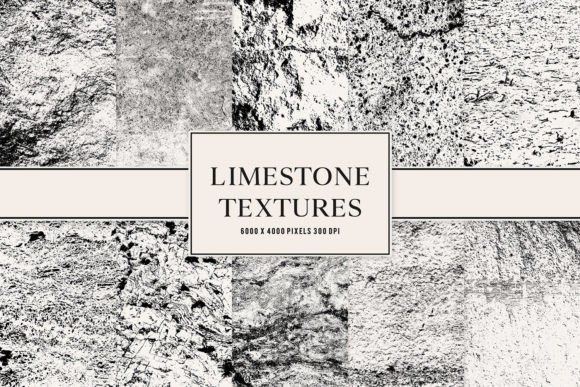
Limestone Textures for Creative Projects
Limestone textures bring a natural, rugged feel to digital designs. These high-resolution textures are perfect for adding depth and character to your creative work. Whether you're designing a website, crafting invitations, or working on branding materials, Limestone Textures can enhance the visual appeal of your projects.
What Are Limestone Textures?
Limestone Textures is a collection of digital papers that mimic the rough, natural look of limestone. This versatile texture set includes various patterns and finishes that can be used in multiple design contexts. The textures come in both JPG and PNG formats, making them compatible with most graphic design software.
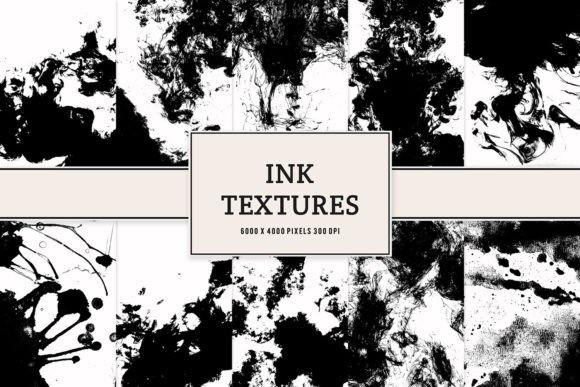
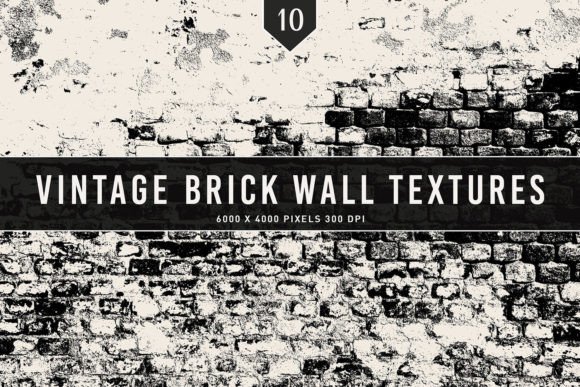
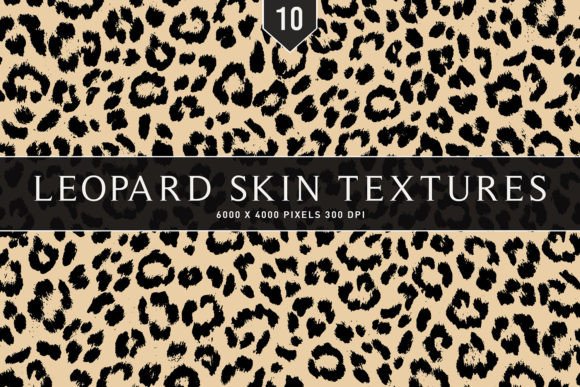
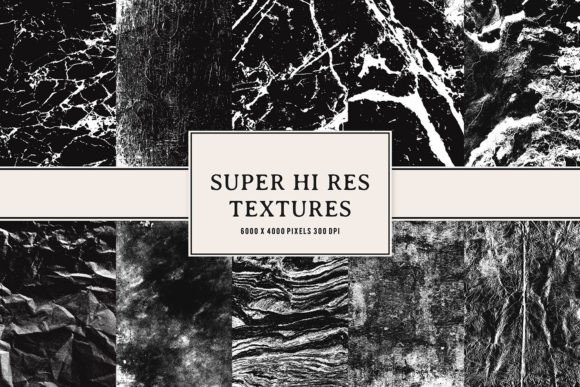
Each texture measures 6000 x 4000 pixels at 300 DPI, ensuring sharp and clear results even when scaled up. They are available in RGB colors, which makes them ideal for use in digital projects such as websites, social media posts, and presentations.
Why Choose Limestone Textures?
If you're looking for a way to add a mysterious and earthy vibe to your designs, Limestone Textures is an excellent choice. The natural appearance of these textures can create a sense of authenticity and depth that's hard to achieve with other types of digital papers.
Designers often use Limestone Textures to create a rustic or vintage feel. This can be especially useful for wedding invitations, scrapbooking, and branding that aims to evoke a sense of tradition or nostalgia.
Where Can You Use Limestone Textures?
The versatility of Limestone Textures means they can be applied across a wide range of creative fields. Here are some common uses:
- Graphics and Backgrounds: Add a textured background to your graphics or Canva designs to make them stand out.
- Text Overlays: Use the textures as a base for text overlays to give your headlines a unique look.
- Business Cards and Branding: Incorporate these textures into your business cards or logos for a more professional and natural appearance.
- Social Media Posts: Enhance your social media content with a touch of elegance and sophistication using these textures.
- Digital Scrapbooking: Create beautiful layouts with a natural feel by using Limestone Textures as backgrounds or accents.
Getting Started with Limestone Textures
If you're new to using textures in your designs, start by experimenting with different placements and layering techniques. You can use Limestone Textures as a background, overlay, or even as part of a collage. Try combining them with other design elements like photos, illustrations, or typography to see how they interact.
Since these textures are compatible with Adobe Photoshop CC or higher, you'll have access to a wide range of tools and features to customize them according to your needs. You can also use them in other design software like Illustrator, InDesign, or even online tools like Canva.
Things to Consider Before Using Limestone Textures
Before incorporating Limestone Textures into your project, consider the following:
- Project Requirements: Ensure that the texture complements the overall theme and style of your project. A rough texture may not be suitable for all design contexts.
- Software Compatibility: Make sure your design software supports the file formats (JPG and PNG) used in the texture pack.
- Resolution Needs: Check if the resolution (300 DPI) meets your printing or digital display requirements.
- Color Matching: Since the textures are in RGB format, ensure that they match the color profile of your final output, whether it's print or digital.
By considering these factors, you can make the most of Limestone Textures and avoid any potential issues during the design process.
Real-World Examples of Limestone Textures in Action
Imagine designing a wedding invitation with a rustic theme. By using Limestone Textures as a background, you can create a warm and inviting atmosphere that matches the event's ambiance. Similarly, a small business owner might use these textures to design a brand identity that feels grounded and authentic.
For educators, Limestone Textures could be used to create visually engaging teaching materials, while marketers might incorporate them into promotional banners or email headers to capture attention with a unique aesthetic.
These textures are also great for personal projects like creating a photography album or designing party invitations that stand out from the crowd.
Tips for Using Limestone Textures Effectively
To get the best results from Limestone Textures, here are a few tips:
- Layer Wisely: Use the textures as a base layer and then add other design elements on top to maintain clarity and readability.
- Adjust Opacity: Lowering the opacity of the texture can help blend it seamlessly with other elements in your design.
- Experiment with Colors: Try applying different color overlays to the textures to match your design's color scheme.
- Use as Accents: Instead of covering the entire background, use the textures as accents or borders to add subtle interest without overwhelming the design.
With a bit of experimentation and practice, you can master the art of using Limestone Textures to elevate your creative projects.
Limestone Textures offer a unique way to add character and depth to your digital artwork. Whether you're a beginner or a seasoned designer, these textures can help you achieve a more natural and sophisticated look in your designs. Explore their possibilities and discover how they can transform your creative work.