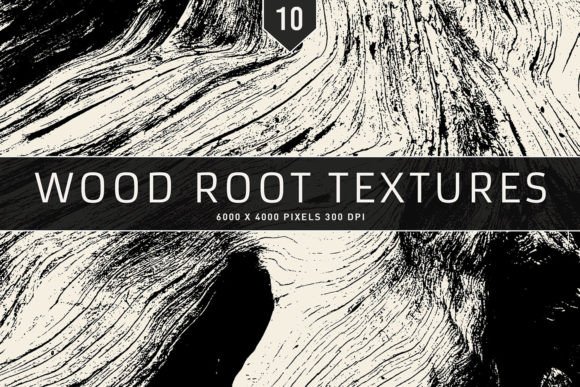
Wood Root Textures: Elevate Your Designs with Realistic Natural Elements
Wood root textures are a powerful design tool that can transform your digital creations, adding depth, authenticity, and visual interest. These high-resolution textures are crafted to mimic the natural patterns and details of real wood roots, making them an ideal choice for designers looking to enhance their projects with organic elements. Whether you're working on branding materials, social media graphics, or creative crafts, Wood Root Textures provide a realistic touch that helps your designs stand out.
Wood Root Textures are more than just background elements; they serve as versatile assets that can be layered, masked, or combined with other design elements to create stunning visuals. With their incredible detail and realism, these textures are designed to help your work pop, making them a must-have for any designer aiming to bring a natural aesthetic into their projects.
Understanding the Challenges in Design
Designers often face challenges when trying to incorporate natural elements into their work. Finding the right texture that feels authentic without being overused or cliché can be difficult. Additionally, ensuring that the texture complements the overall design rather than overpowering it requires careful consideration.
Another common issue is the resolution and quality of available textures. Many free or low-quality textures may not meet the standards required for professional use, especially in print or high-resolution digital formats. This can lead to pixelation or a lack of clarity, which can detract from the final result.
For those who need textures that are compatible with industry-standard software like Adobe Photoshop, finding options that support high DPI and offer flexibility in editing is essential. Wood Root Textures are specifically crafted to address these concerns, offering a solution that meets the needs of both amateur and professional designers.
How Wood Root Textures Can Help
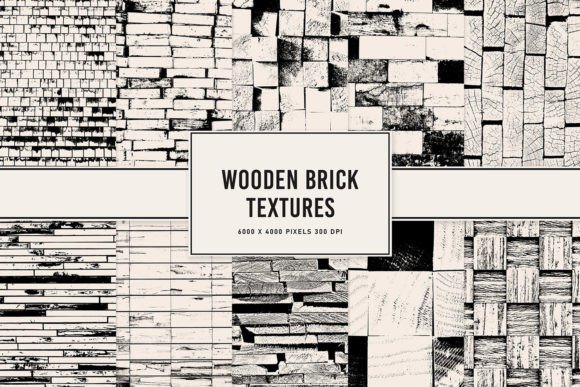
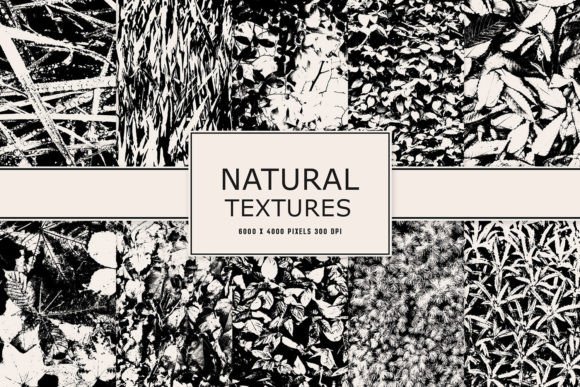
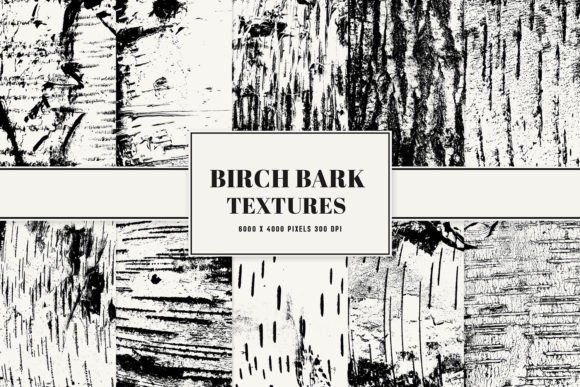
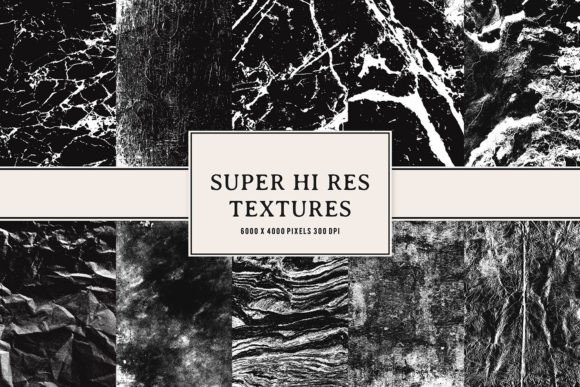
Wood Root Textures are designed to overcome the limitations of traditional textures by providing a level of realism and detail that enhances the visual appeal of any project. Their high resolution (6000 x 4000 PX) and 300 DPI ensure that they look sharp and clear, whether used in print or digital formats. This makes them ideal for a wide range of applications, including business cards, websites, social media posts, and even wedding invitations.
One of the key benefits of using Wood Root Textures is their versatility. They can be used as backgrounds, overlays, or even as part of a larger composition. For instance, a designer working on a product packaging concept could use these textures to give the packaging a natural, earthy feel that aligns with eco-friendly or rustic branding themes.
Additionally, Wood Root Textures come in both JPG and PNG formats, allowing for greater flexibility in how they are used. The PNG format supports transparency, making it easier to integrate the texture seamlessly into a design without worrying about unwanted background colors.
Practical Applications and Outcomes
The practical applications of Wood Root Textures are vast and varied. Here are some examples of how different users might leverage these textures in their projects:
- Graphic Designers: Use Wood Root Textures to add a natural element to logos, banners, and posters, helping to create a cohesive brand identity that resonates with audiences.
- Social Media Managers: Incorporate these textures into Instagram stories, Facebook covers, or Pinterest pins to make content visually engaging and stand out in a crowded feed.
- Wedding Planners: Apply these textures to invitations, thank-you cards, or digital scrapbooks to create a rustic, elegant theme that appeals to couples looking for a nature-inspired wedding.
- Photographers: Use Wood Root Textures as background overlays in photo editing to enhance the mood of a shot or add a vintage, organic feel to portraits or landscapes.
By integrating Wood Root Textures into their workflow, designers can achieve a more polished and professional look while also saving time that would otherwise be spent searching for or creating suitable textures from scratch.
Considerations for Using Wood Root Textures
While Wood Root Textures offer a wealth of benefits, there are a few considerations to keep in mind to ensure they are used effectively. First, it's important to match the texture with the overall color scheme and style of the design. A dark, rich wood texture may not be appropriate for a minimalist or modern layout, whereas a lighter, more detailed texture could blend well with a rustic theme.
Another consideration is layering. When using these textures as overlays, it's crucial to adjust the opacity and blending modes to ensure they complement rather than overshadow the main design elements. Experimenting with different settings in Adobe Photoshop or similar tools can yield unique and striking results.
Lastly, understanding the licensing terms of the textures is essential, especially if the designs will be used commercially. Ensuring that the textures are used within the allowed scope prevents potential legal issues down the line.
Wood Root Textures are an excellent resource for designers seeking to elevate their work with realistic, high-quality natural elements. By incorporating these textures into their projects, designers can create visually compelling designs that resonate with audiences and stand out in a competitive market. Whether you're working on a simple social media post or a complex branding campaign, Wood Root Textures offer a versatile and effective solution that can help bring your vision to life.