Leopard Skin Textures: A Versatile Tool for Creative and Professional Projects
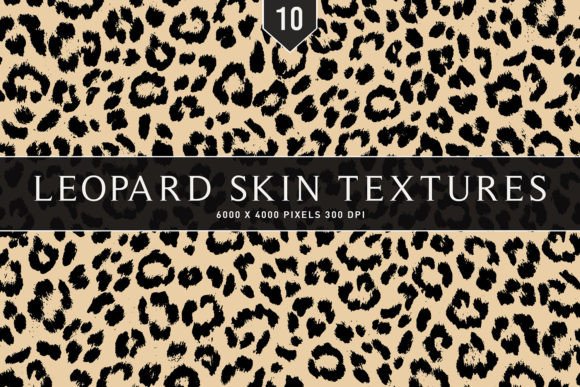
Leopard Skin Textures is an antique, creative, and smooth seamless texture design that adds a unique aesthetic to digital projects. With its high-resolution quality, this texture is ideal for a wide range of applications, from graphic design to social media content creation. Whether you're working on branding materials, website backgrounds, or digital scrapbooking, Leopard Skin Textures can elevate your work with its elegant and timeless appeal.
Understanding Leopard Skin Textures
Leopard Skin Textures is a digital paper that mimics the natural patterns found in leopard skin. This texture is designed to be seamless, meaning it can be tiled without visible repetition. Its high resolution (6000 x 4000 PX) and 300 DPI ensure clarity and sharpness, making it suitable for both print and digital use. The RGB color format ensures compatibility with a wide range of design software, including Adobe Photoshop CC or higher.
This texture is not just a visual element but a functional one. It can be used as a background, overlay, or even as a texturing element in more complex designs. Its versatility makes it a valuable asset for any designer looking to add depth and character to their projects.
Integration into Creative Workflows
Integrating Leopard Skin Textures into your workflow begins with understanding how it interacts with other design elements. When using it as a background, consider the contrast between the texture and the foreground content. For instance, if you're designing a poster, using Leopard Skin Textures as a base can create a sophisticated look, especially when paired with minimalist text or imagery.
During the design process, Leopard Skin Textures can serve as a foundation for layering additional elements. This could include photographs, illustrations, or vector graphics. By adjusting the opacity or blending modes, designers can achieve various effects, such as subtle grain or a vintage feel.
After completing the initial design, Leopard Skin Textures can be used to refine the final output. For example, applying the texture as a subtle overlay on a photo can enhance its visual appeal without overpowering the subject. This technique is particularly effective in photography albums or social media posts where a touch of elegance is desired.
Practical Implementation Tips
To make the most of Leopard Skin Textures, consider the following tips:
- Preparation: Ensure that your design software is up to date and compatible with the texture file format (JPG). This will prevent any issues related to rendering or file corruption.
- Compatibility: Test the texture on different platforms and devices to ensure consistency across all outputs. This is especially important if the final product will be viewed on multiple screen sizes or printed in various formats.
- Usability: Organize your texture files in a dedicated folder or library for easy access. Labeling them clearly based on project type or usage can streamline your workflow and save time during the design process.
- Efficiency: Use layers to separate the texture from other design elements. This allows for easier adjustments and modifications without affecting the rest of the composition.
- Consistency: Maintain a consistent style throughout your projects by using Leopard Skin Textures in a similar manner across different pieces. This helps in building a cohesive brand identity or visual theme.
By following these practical tips, you can ensure that Leopard Skin Textures are integrated seamlessly into your creative process, enhancing both the aesthetics and functionality of your designs.
Use Cases Across Different Industries
Leopard Skin Textures can be applied across a variety of industries and project types. Here are some specific examples:
- Business Cards: Using Leopard Skin Textures as a background can give business cards a professional yet distinctive look. Pair it with clean typography for a balanced design.
- Website Backgrounds: Incorporate Leopard Skin Textures into website headers or full-page backgrounds to add visual interest while maintaining readability.
- Social Media Posts: Apply the texture as an overlay on images or text to create a unique and eye-catching post that stands out in feeds.
- Wedding Invitations: Leopard Skin Textures can be used to create elegant wedding invitations with a touch of sophistication and luxury.
- Product Packaging: Design packaging that reflects a brand's personality using Leopard Skin Textures as a base for logos, tags, or decorative elements.
These use cases demonstrate how versatile Leopard Skin Textures can be, making it a go-to resource for professionals and hobbyists alike.
Long-Term Use and Quality Control
When considering long-term use of Leopard Skin Textures, it's important to focus on quality control and organization. High-quality textures like Leopard Skin Textures should be stored in a secure location to avoid loss or damage. Additionally, keeping track of which projects have used the texture and how it was implemented can help maintain consistency across future works.
Regularly updating your texture library with new designs or variations of existing ones can also keep your creative process fresh and dynamic. This approach ensures that you always have a range of options available, allowing you to adapt to different project needs efficiently.
Finally, leveraging feedback from clients or users can help refine how Leopard Skin Textures are used in your work. Understanding what works well and what doesn't can lead to continuous improvement and better outcomes in your creative endeavors.